Authorized Caregiver Legal Matters

Waqf matters may involve establishing a waqf, administering its affairs, interpreting its conditions, protecting beneficiaries’ rights, or addressing disputes and claims relating to the waqf. Every matter is different and depends on the type of waqf, the Waqf Deed, the founder’s conditions, the endowed assets, and the applicable legal framework.
Many waqf matters begin with understanding the Waqf Deed, reviewing its conditions, identifying the beneficiaries, and assessing the surrounding circumstances before determining the appropriate legal approach.

Understanding Waqf Matters

Waqf matters extend beyond establishing a waqf. Depending on the circumstances, they may involve administering a waqf, interpreting its conditions, protecting beneficiaries’ rights, resolving disputes, or reviewing claims connected to endowed assets.
Some matters relate to charitable waqf, while others involve family waqf, mixed waqf, or endowed assets located inside or outside Kuwait.

Types of Waqf :

Charitable Waqf​

A waqf established to support charitable purposes or designated charitable beneficiaries in accordance with the founder's conditions.​

Family Waqf​

A waqf established for the benefit of the founder's descendants or other beneficiaries specified in the Waqf Deed, subject to its terms and the applicable legal framework.​

Combined Waqf​

A waqf that combines charitable purposes with benefits for family members or other designated beneficiaries in accordance with the founder's conditions.​

When Might You Need Assistance?

Establishing a Waqf

When you wish to establish a charitable, family, or combined waqf and define its purpose and conditions.

Waqf Administration

When assistance is required in administering a waqf or reviewing how it is managed.

Interpreting the Waqf Deed

When clarification is needed regarding the meaning or application of the founder's conditions.

Beneficiaries' Rights

When questions or claims arise concerning beneficiaries' entitlements under the Waqf Deed.

Waqf Disputes

When disagreements arise between beneficiaries, the waqf administrator (Nazir), or other parties connected with the waqf.

Claims Relating to the Waqf

When claims concern the implementation of the Waqf Deed, beneficiaries' rights, or the administration of the waqf.

Reviewing the Continuation or Amendment of a Waqf

When circumstances require consideration of matters relating to the continuation, amendment, or termination of a waqf where permitted by law.

Cross-Border Waqf Matters

When the waqf includes overseas assets, beneficiaries residing abroad, or legal procedures connected to more than one jurisdiction.

Reviewing the Waqf Deed

When you need a clearer understanding of the Waqf Deed and its legal implications before taking further steps.

Every Waqf Is Defined by Its Conditions

Every waqf is unique.

Its purpose, endowed assets, founder’s conditions, beneficiaries, and method of administration all influence how a waqf matter should be
approached.
For this reason, many waqf matters begin with a careful review of the Waqf Deed and the surrounding circumstances before considering the
appropriate legal pathway.

Understanding the Waqf Deed is often the first step toward understanding the rights and responsibilities connected to a waqf.

What May Be Reviewed in a Waqf Matter?

The Waqf Deed and the founder's conditions.

Beneficiaries and their entitlements.

The role and responsibilities of the Nazir (Waqf Administrator).

Endowed assets, including real estate and other property.

Compliance with the conditions of the waqf.

Cross-border assets, beneficiaries, or legal procedures.
How Does the Initial Waqf Review Begin?

Understanding the Waqf

Review the type of waqf, its purpose, the Waqf Deed, and the individuals connected to the matter.

Reviewing the Documentation

Review the Waqf Deed, the founder's conditions, and the documentation relating to the endowed assets, beneficiaries, or administration of the waqf.

Assessing the Circumstances

Consider whether the matter relates to the administration of the waqf, beneficiaries' entitlements, interpretation of the Waqf Deed, disputes, claims, or cross-border elements.

Determining the Appropriate Legal Approach

Once the Waqf Deed, supporting documentation, and surrounding circumstances have been reviewed, the appropriate legal pathway can be determined according to the specific facts of the matter.

Related Services

Frequently Asked Questions

A Charitable Waqf is established to support charitable purposes or organisations, while a Family Waqf is created for the benefit of the founder's descendants or other beneficiaries identified in the Waqf Deed, subject to the founder's conditions and the applicable legal framework.

Claims may arise concerning beneficiaries' entitlements or the implementation of the founder's conditions. Each matter depends on the Waqf Deed, the surrounding facts, and the applicable legal framework.

Disputes may arise regarding the administration of the waqf, the interpretation of the Waqf Deed, or beneficiaries' entitlements. Every matter should be assessed according to its own circumstances.

Yes. Depending on the Waqf Deed, a waqf may include real estate, commercial interests, investments, or other assets.

Yes. Some waqf matters involve overseas assets, beneficiaries living abroad, or cross-border legal procedures that require additional consideration.

Some matters involve reviewing whether a waqf may be amended or brought to an end where permitted by the applicable legal framework. The appropriate approach depends on the nature of the waqf, the Waqf Deed, and the circumstances of the matter.

Every Waqf Begins with Its Deed

Whether you are considering establishing a waqf, administering an existing waqf, protecting beneficiaries’ rights, or dealing with a dispute relating to a waqf, understanding the Waqf Deed and the surrounding circumstances is often the first step toward determining the appropriate legal approach.

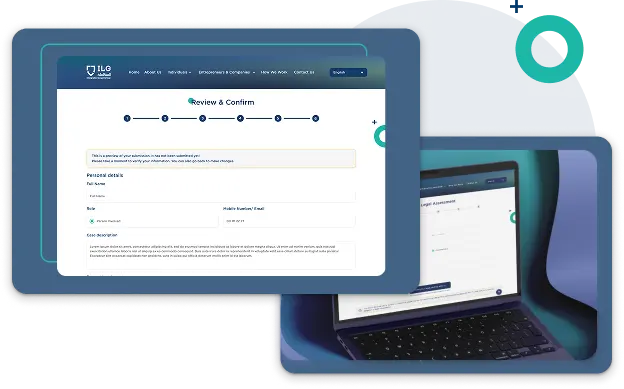
Explore our legal process in 6 clear steps

A free, non-binding assessment, with no contract or legal representation.

This site is registered on wpml.org as a development site. Switch to a production site key to remove this banner.